
Cartons
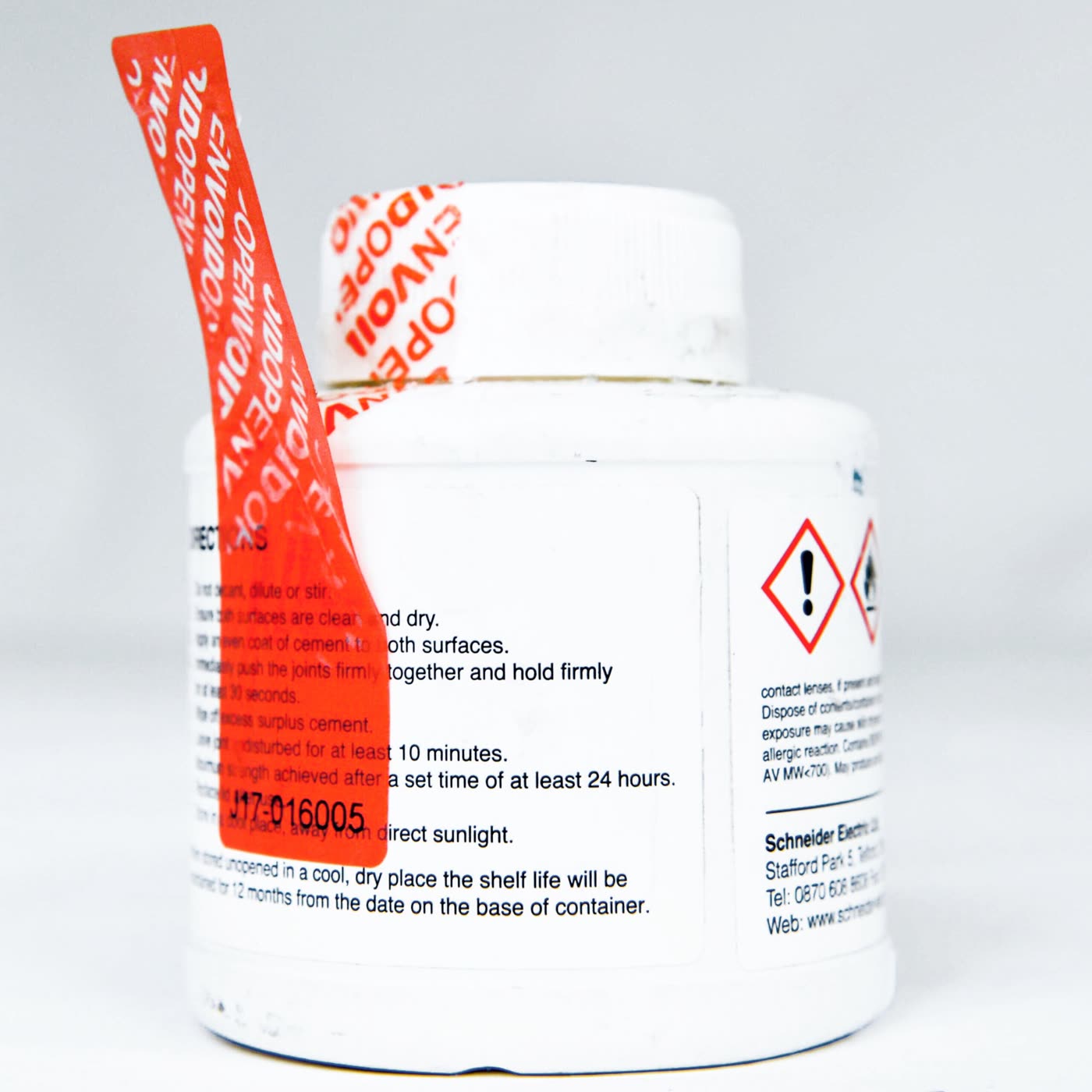
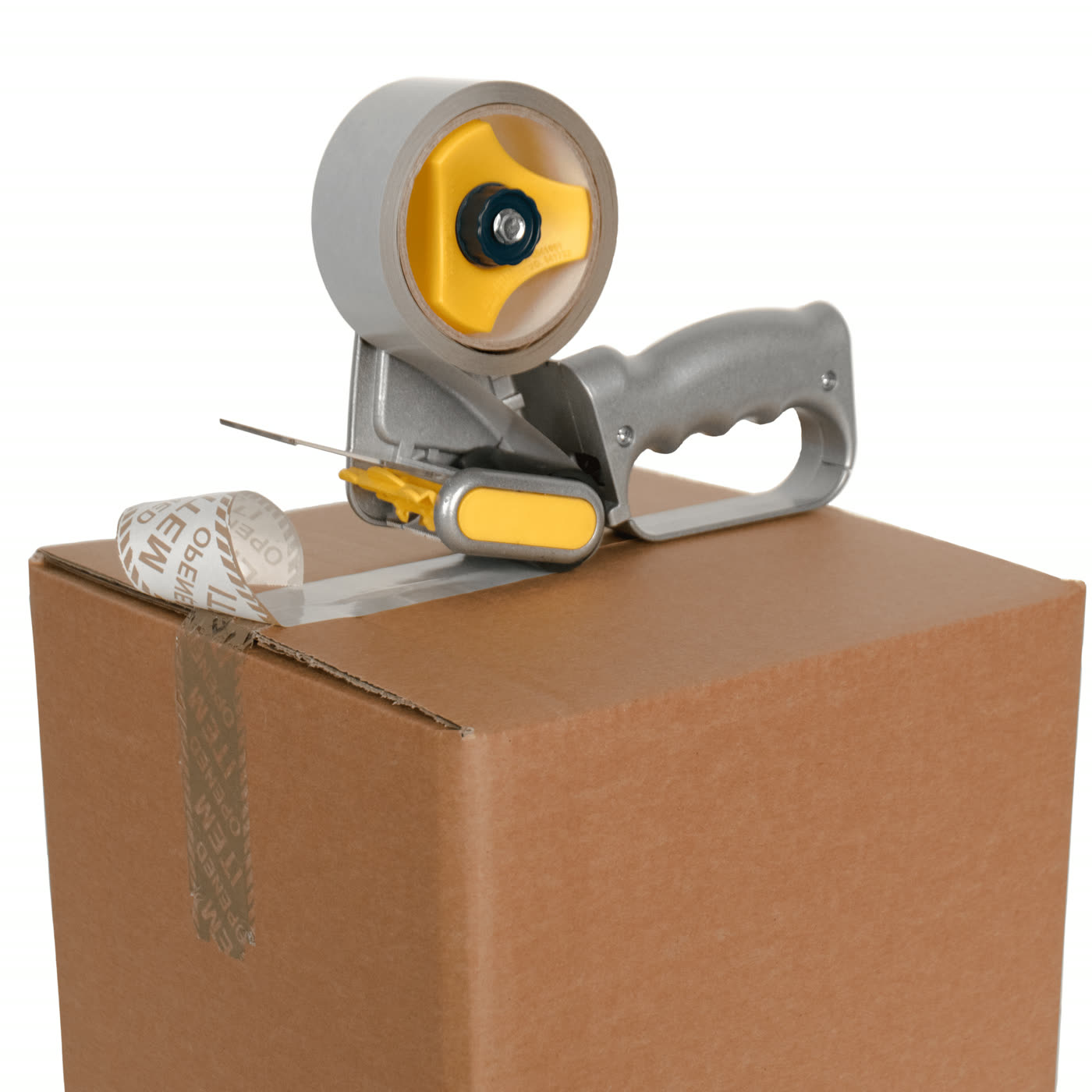
Show visible evidence when a flap has been opened or a label removed.
01Technical service
Send us the pack. We’ll help solve it.
You don’t need to know which security label or tape you need. That’s our job. Tell us what you’re trying to protect, how the pack is used and what needs to happen if it’s interfered with. We’ll help work out the right solution — and, where required, how to apply or integrate it.
What happens next
No obligation, and no need to know the technical answer first.
Or post us the pack
Prefer to send the real thing straight away? Post it to the lab and tell us it’s coming using the form.
The Security Lab TeamTamper Technologies LtdThe OaksMoor Farm Road WestAirfield Industrial EstateAshbourneDerbyshireDE6 1HDUnited KingdomPlease include your Security Lab reference number on or inside the parcel so we can match it to your application when it arrives.
01335 300335 — talk it through instead
02Problem recognition
Pick one and we’ll pre-fill it on the application form.
03Specification
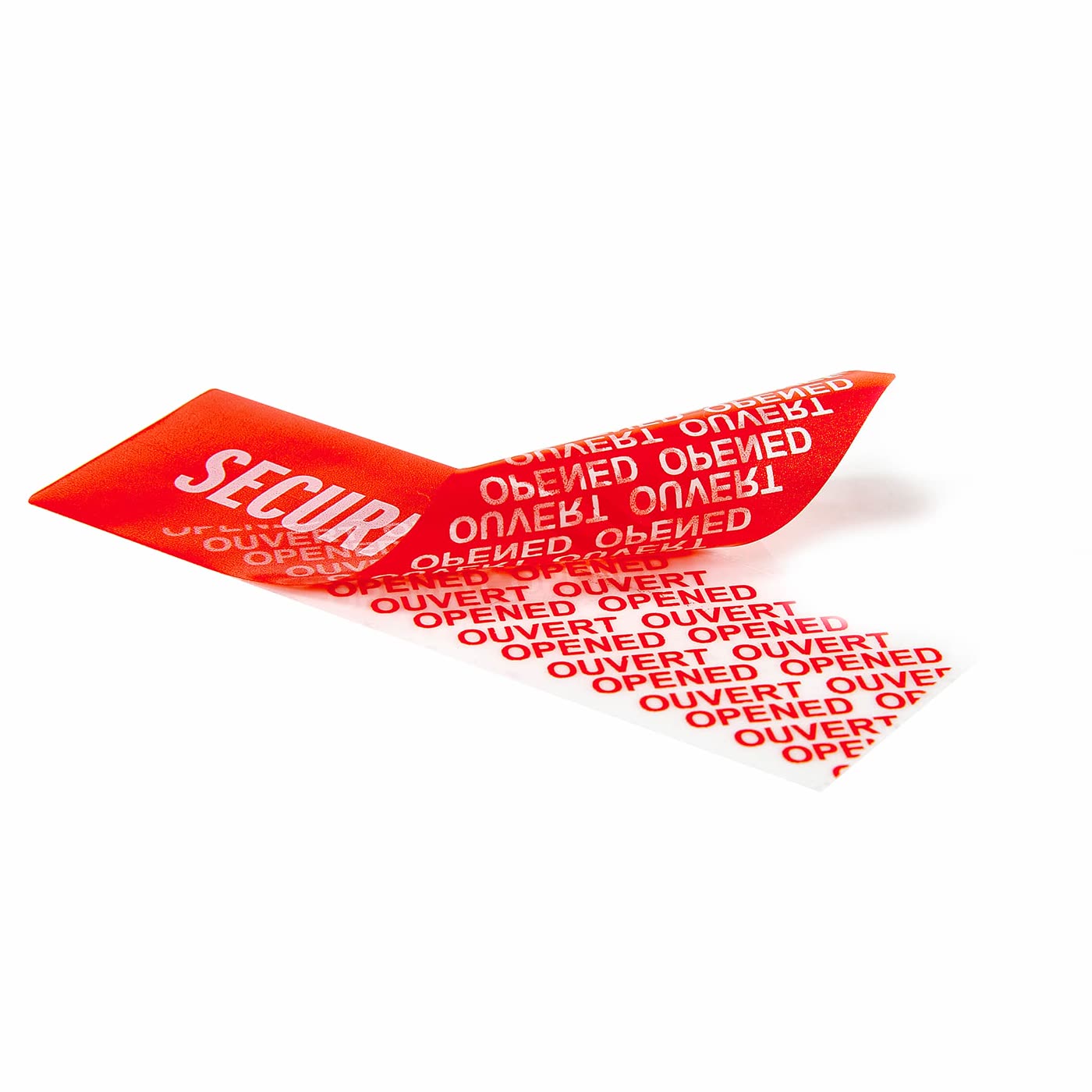
Void, destructible, transfer, non-transfer, serialised, covert, overt, paper, film, specialist adhesive… there are a lot of options, and picking the wrong one is an expensive way to find out. We don’t expect you or your customer to specify the technology. Tell us what needs protecting, how the pack is handled and what the surface is — or just post us the pack. We do the specifying.
04 — Method
Complete the short application form and upload photos if available.
Our team assesses the surface, application, tamper risk and practical requirements.
We suggest suitable security constructions, placement and testing.
Where appropriate, we produce samples or test on the actual pack before commercial supply.
No obligation. No need to know the technical answer first.
05Applications
Show visible evidence when a flap has been opened or a label removed.
Seal a curved neck or cap so it cannot be reclosed without leaving a mark.
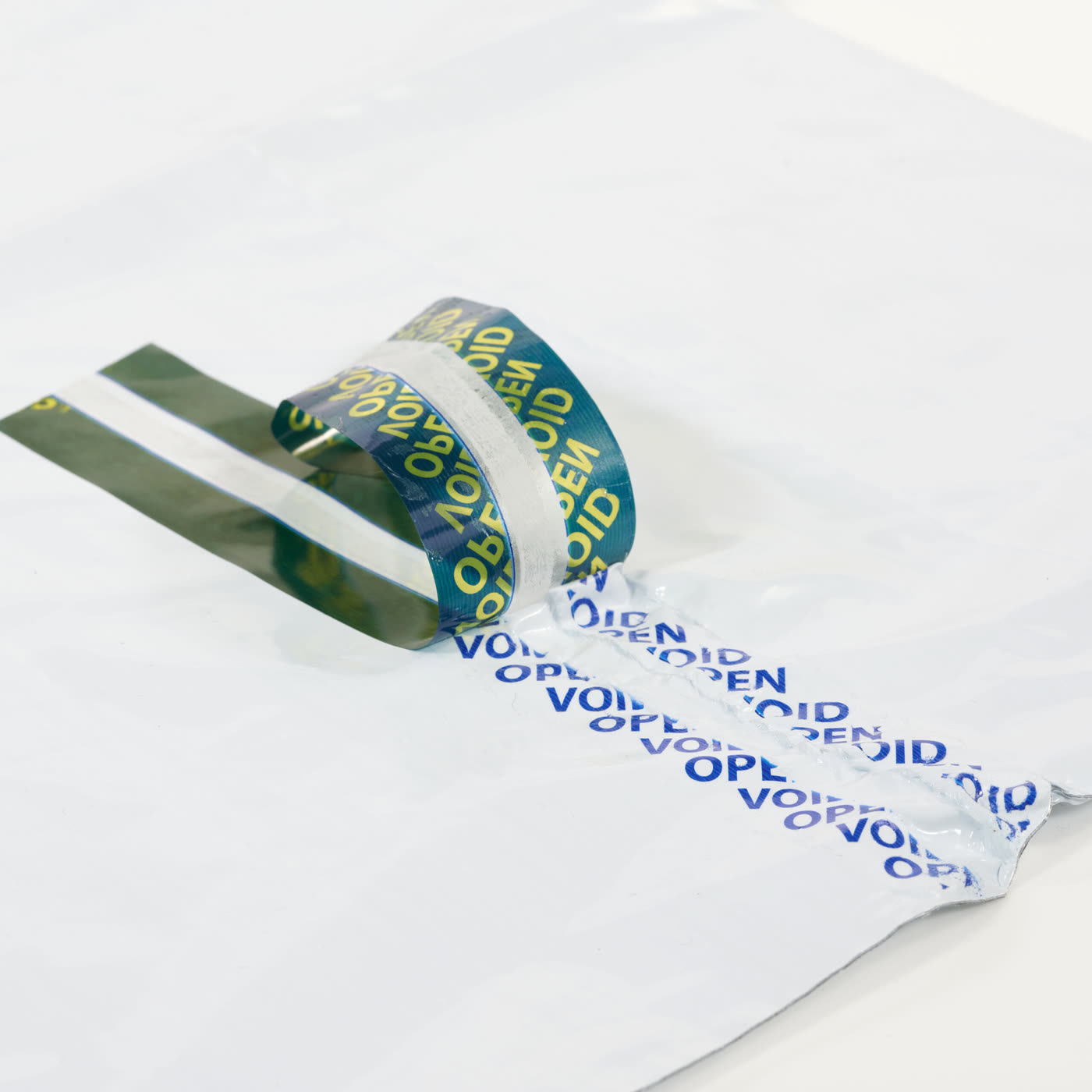
Make a resealed or slit flexible film obvious to the person receiving it.
Prove a device or enclosure has not been opened, swapped or serviced in transit.
Give a clear first-opening indication on a small, tightly specified pack.
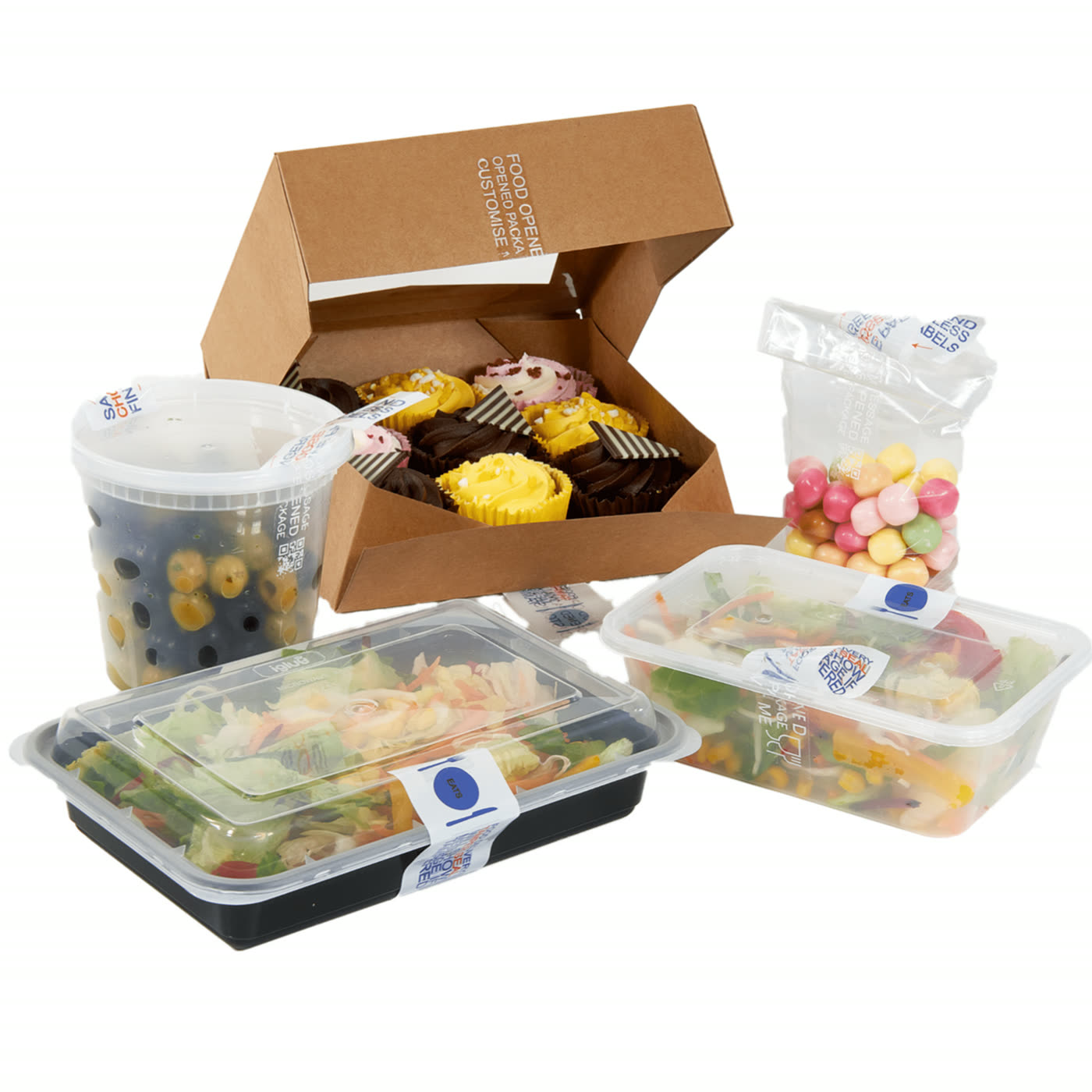
Protect tubs and sachets against refill, substitution and repackaging.
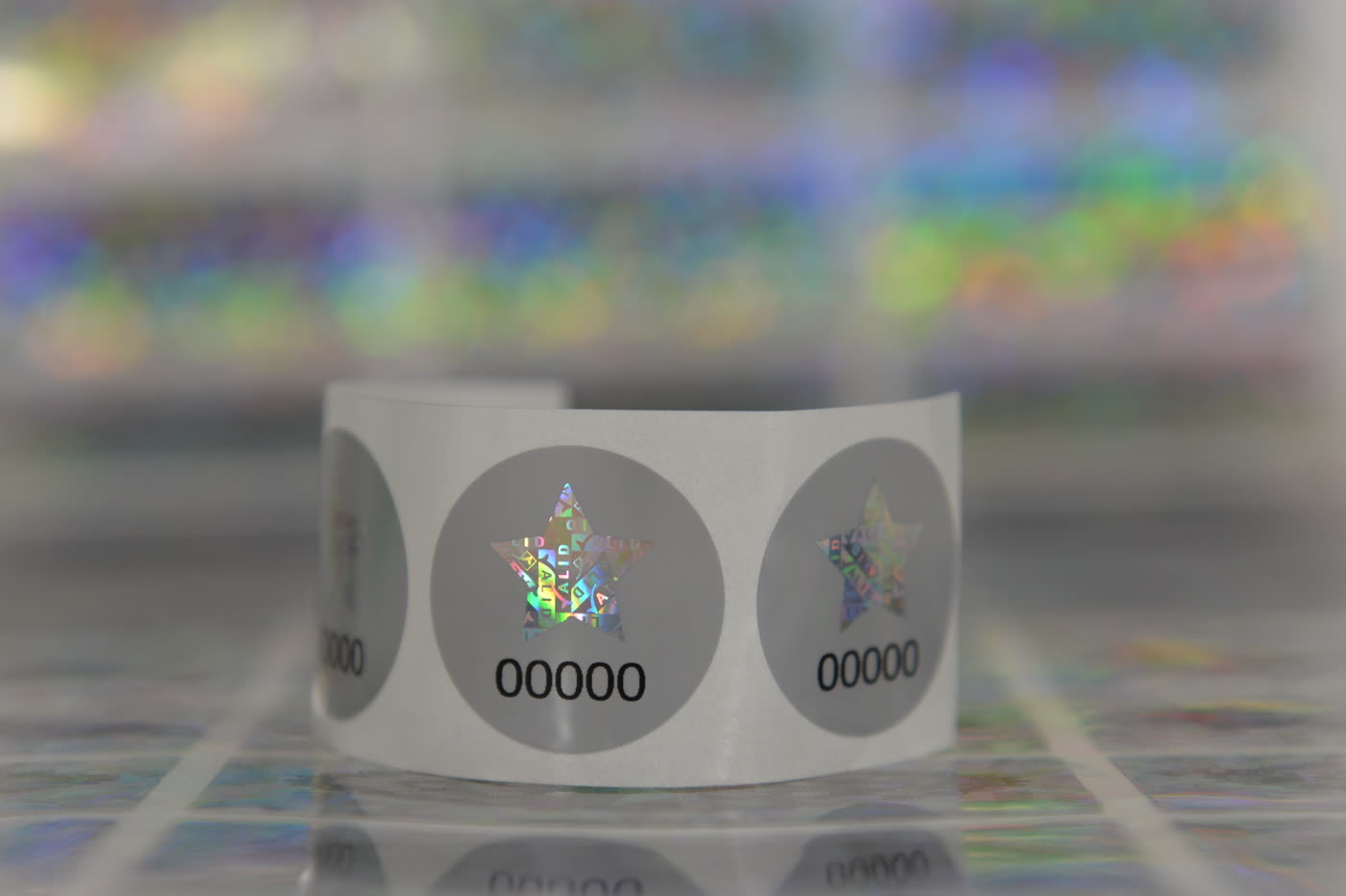
Deter refilling and copying without spoiling a premium unboxing.
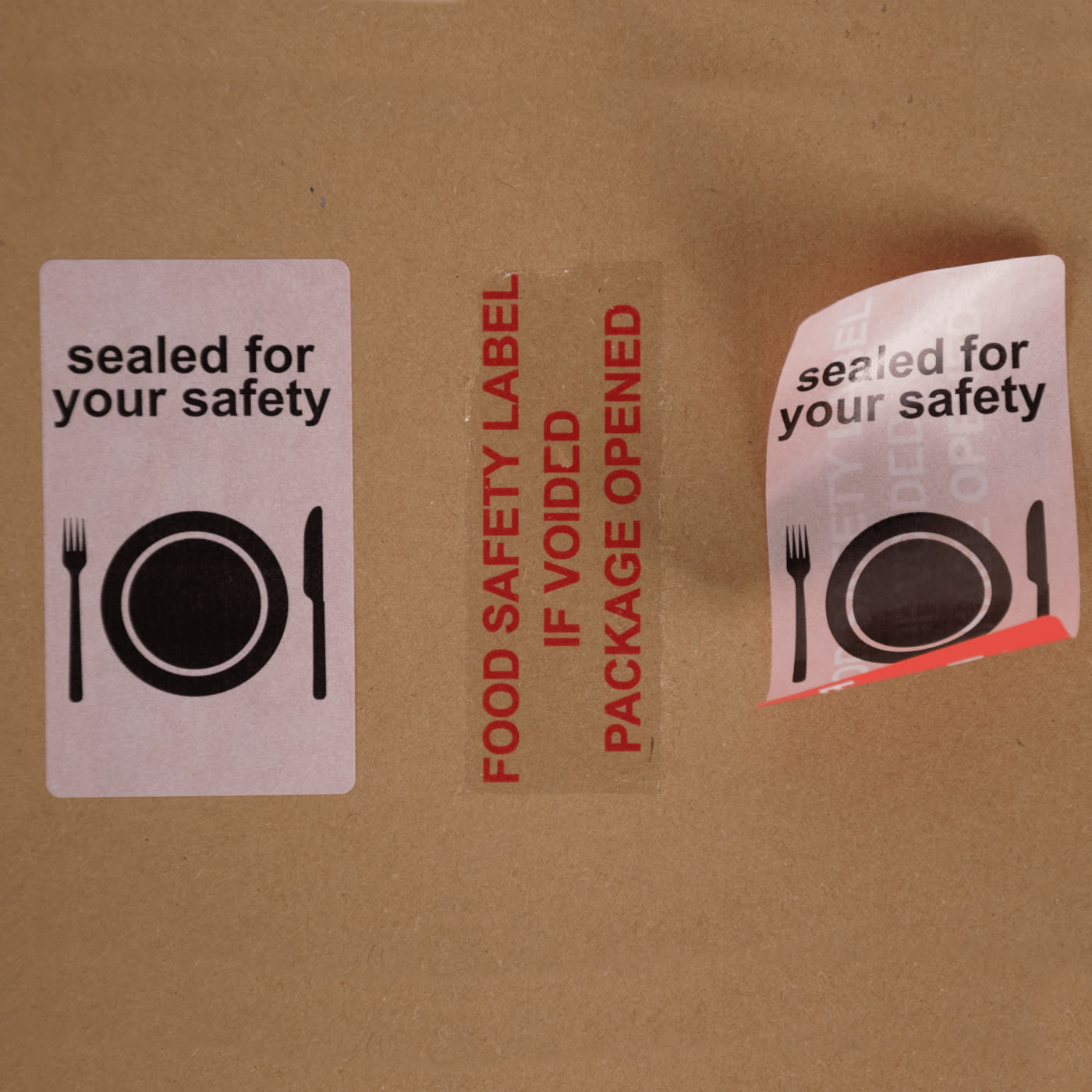
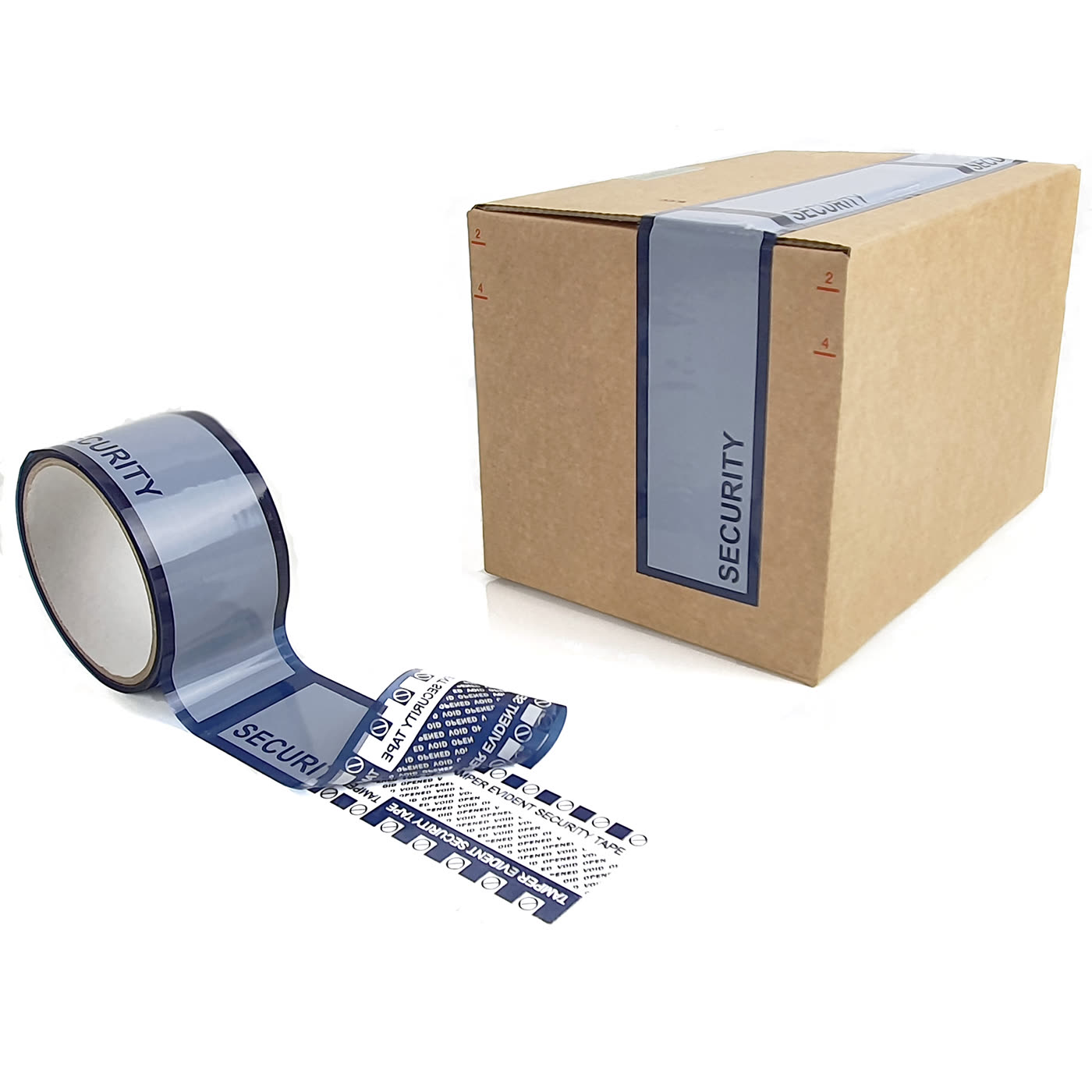
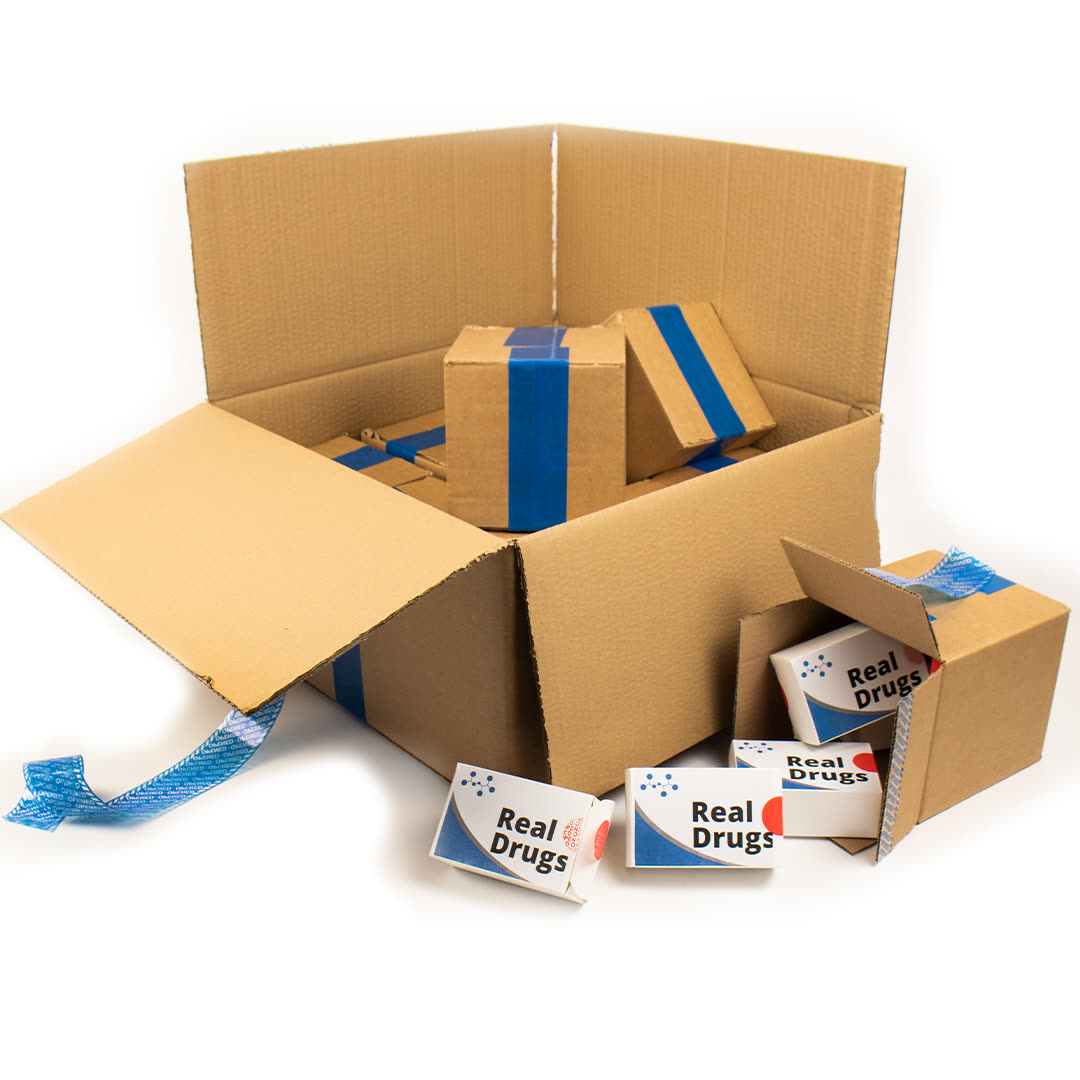
Show whether a parcel was opened before the customer received it.
Mark calibration, warranty or service access on oily, textured or coated surfaces.

06Who is the Security Lab for?
Two ways in. If the problem belongs to a customer of yours, come in as a partner. If it’s your own pack, come straight to us.
Route 01 — Partner / customer application
Send it to us.
We can work behind the scenes with your team to help specify, sample and solve the application — from choosing the right tamper-evident construction through to practical application and integration.
Solve the problem. Add value. Keep the relationship.
For packaging distributors, resellers and approved partners, TamperTech can offer reseller pricing, allowing you to add specialist security solutions to your offering without needing to build the technical expertise in-house. Reseller pricing is available subject to the partner relationship and the application.
Partner-led enquiries stay partner-led
Where you bring us the application, we work with you to support your customer rather than trying to take over the relationship.
Built for
Route 02 — Direct application
Send it straight to the Security Lab.
We’ll help identify a practical, cost-effective solution appropriate to your application — without adding unnecessary security features, complexity or application cost.
The right level of security for the application — not security for security’s sake.
07Application
Don’t know the answers? That’s fine. Tell us what you can and we’ll work from there.
09Method
We don’t recommend a construction because it sounds secure. We work through the same technical sequence every time, so the recommendation you get is the right level of security for the application — and we can show you why.
01
Substrate, surface energy, texture, coatings, curvature and seal area — what we are actually asking a label or tape to hold on to.
02
What interference looks like in practice, who needs to see the evidence, and whether it must be overt, covert or both.
03
How it gets applied — by hand, on an existing applicator, or integrated into a line at a given speed and application point.
04
Temperature at application and in service, cold chain, moisture, oils, abrasion and the downstream journey the pack actually takes.
05
Adhesion, void performance and removal behaviour checked on the real pack — not on a flat test panel.
06
A specified construction, placement and application method, with the evidence behind why it is the right level of security for the application.
Where the environment is demanding — frozen, oily, abraded, exported — we test on your actual pack rather than a flat panel, then tell you what we observed.
Send us the pack.